The Thrill of Risk and Reward
High-stakes gambling is often characterized by its inherent thrill, which can be attributed to the psychological phenomenon known as the „risk-reward” system. This mechanism drives individuals to seek out activities that offer the potential for significant rewards, even when they come with substantial risks. When players engage in high-stakes gambling, the adrenaline rush they experience can elevate their mood, creating a sense of euphoria and excitement. Many enthusiasts also explore online options, and those interested in this realm often find that canada sports betting enhances their overall gaming experience, becoming addictive and compelling gamblers to return to the tables or slots for that exhilarating rush.
The brain’s chemistry plays a crucial role in this dynamic. When individuals gamble, their brains release dopamine, a neurotransmitter associated with pleasure and reward. This chemical response reinforces the behavior, leading gamblers to associate the act of wagering large sums of money with positive feelings. As a result, the desire to chase these feelings can drive people to pursue high-stakes gambling even more fervently, despite the financial and emotional risks involved.
Moreover, the social environment around high-stakes gambling adds another layer of complexity to the psychology of these activities. Many players are drawn to the communal aspect of gambling, where the excitement is amplified by the presence of others. Whether it is the cheers of fellow players or the camaraderie built around collective tension and anticipation, the social dynamics often enhance the overall experience, making it difficult for gamblers to walk away. This social reinforcement, combined with the thrill of risk, creates a potent combination that keeps players returning for more.
The Illusion of Control
An integral aspect of high-stakes gambling is the illusion of control that players often experience. Many individuals believe that their skills or strategies can influence the outcome of games that are inherently random, such as roulette or slot machines. This cognitive bias, known as the „illusion of control,” can lead players to develop a false sense of confidence, encouraging them to wager larger sums in pursuit of a win. The belief that one can outsmart the system or increase their chances of winning can be intoxicating, further entrenching gamblers in their habits.
This phenomenon is bolstered by narratives and anecdotes of successful gamblers who attribute their wins to skill rather than chance. These stories often circulate within gambling communities, reinforcing the idea that success is attainable through knowledge and strategy. As gamblers latch onto these tales, they become more likely to engage in high-stakes gambling, believing that they too can replicate similar outcomes. This mindset can be detrimental, as it obscures the inherent randomness of most gambling scenarios, leading players to persist in their gambling behaviors even in the face of mounting losses.

Moreover, the design of many gambling environments plays into this illusion by providing players with feedback that can be misleading. For instance, machines that offer near-miss outcomes can lead players to believe they are on the verge of winning, prompting them to continue playing. This deliberate design choice fuels the perception that control is within grasp, reinforcing the cycle of gambling and the financial stakes involved. Ultimately, the illusion of control can exacerbate risky behaviors and escalate the emotional investment associated with high-stakes gambling, making it all the more difficult for players to recognize when they should stop.
Escalation of Commitment
Another psychological factor at play in high-stakes gambling is the escalation of commitment. This occurs when individuals become increasingly invested in their decisions, often leading them to continue gambling despite accumulating losses. The rationale behind this behavior is often tied to the desire to recoup losses, leading players to chase their losses in an attempt to regain what they believe is rightfully theirs. This cycle of gambling can become perilous, as it may lead individuals to gamble larger sums than they originally intended, hoping for a big win that may never come.
This psychological trap can be influenced by the sunk cost fallacy, where individuals feel that they have already invested too much time or money to abandon their pursuit. The emotional toll of admitting defeat can lead to irrational decision-making, causing individuals to gamble even more in an effort to avoid the discomfort of acknowledging losses. This pattern underscores the precarious nature of high-stakes gambling, where the initial thrill can quickly devolve into desperation, creating a vicious cycle that is hard to break.
Additionally, the environment in which high-stakes gambling takes place often reinforces this escalation of commitment. Dynamic lighting, enticing sounds, and celebratory atmospheres can create a sense of urgency and excitement, encouraging players to extend their gambling sessions. This sensory overload can cloud judgment, making it increasingly difficult for individuals to walk away, even when logic dictates it would be prudent. The combination of psychological factors and environmental cues can create a highly charged atmosphere conducive to prolonged and risky gambling activity, often leading to devastating financial consequences for those involved.
The Role of Emotions in Gambling Decisions
Emotions play a significant role in decision-making for high-stakes gamblers. The interplay between emotions and cognitive processes can lead to impulsive gambling behaviors, often clouding rational judgment. For instance, feelings of excitement or anger can drive individuals to gamble larger amounts than they would typically consider. When caught in the throes of a winning streak, players may experience overconfidence, leading them to believe they can maintain their success. Conversely, in moments of frustration or loss, gamblers may be compelled to chase their losses impulsively, compounding their financial woes.
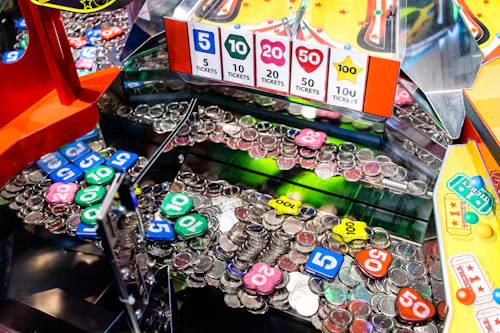
Moreover, the impact of stress and anxiety cannot be overlooked. High-stakes gambling can evoke intense emotional responses, particularly when individuals are faced with the prospect of substantial losses or gains. This emotional volatility can undermine logical decision-making processes, resulting in choices that are more reactive than calculated. The ability to remain emotionally stable is vital in gambling scenarios, as heightened emotions often lead to poorer decisions and greater financial risk. This emotional instability can be exacerbated by external pressures, such as the expectations of peers or the atmosphere of the gambling environment itself.
The social setting surrounding gambling also plays a significant role in shaping emotional responses. Gamblers may feel the pressure to conform to the expectations of those around them, leading to decisions driven by social influences rather than personal judgment. The collective mood in a high-stakes environment can heighten emotional reactions, creating an atmosphere where players are more likely to take risks. Navigating these emotions while gambling is crucial to maintaining control and making sound decisions, which many gamblers struggle with in the heat of the moment. Understanding the psychological interplay between emotions and decision-making is essential for anyone involved in high-stakes gambling.
Understanding the Dynamics of Gambling Websites
The online gambling landscape presents a unique set of psychological factors that differ from traditional high-stakes gambling settings. One notable aspect is the accessibility of online platforms, which can often blur the boundaries of responsible gambling. With just a few clicks, individuals can engage in high-stakes gambling from the comfort of their own homes, making it easier to lose track of time and money spent. This convenience can exacerbate the compulsion to gamble, as the barriers to entry are significantly lower than in physical establishments.
These platforms are also designed with the user experience in mind, utilizing visuals, sounds, and rewards that stimulate players’ senses. This sensory engagement can lead to a more immersive gambling experience, further enticing individuals to participate more frequently and with larger sums. The continuous availability of online gambling can create a cycle of anticipation and excitement, making it challenging for players to recognize when they are crossing the line into harmful behavior. This constant stimulation can reinforce the desire to gamble, making it an ongoing struggle for those who may be prone to addiction.
Moreover, gambling websites often employ marketing strategies that emphasize wins while downplaying the likelihood of losses. Promotional messages can create a misleading perception of success, reinforcing the idea that winning is attainable, which can be dangerous for individuals susceptible to addictive behaviors. Understanding these dynamics is essential for players and their loved ones, as it highlights the need for awareness and responsible gambling practices in the increasingly digital age of betting. By fostering a better understanding of these psychological and environmental factors, individuals can make more informed choices regarding their gambling activities, ultimately promoting healthier habits.
