
Alex was a casual gamer who kept a 4‑K monitor and an old PC at home. He spent hours tweaking settings to get the best frame rate for the latest titles. One night, he tried a cloud gaming service for the first time. Within 30 seconds of launching the game, the image was crisp, the latency was under 70 ms, and he didn’t have to touch a single cable. That single experience changed his view on what a gaming setup could look like.
What Cloud Gaming Actually Is
At its core, cloud gaming streams rendered frames from a remote server to a local device. The server does the heavy lifting—processing, rendering, and encoding—while the player only needs a stable internet connection. The result is a console‑like experience without a dedicated console or high‑end PC. In practice, most services require at least 15 Mbps of download speed for 1080p gameplay and 25 Mbps for 4K, with latency targets around 50 ms for competitive titles.
Hardware Independence and Cost Efficiency
Because the server does the work, players no longer need to invest in GPUs that can handle next‑generation games. A typical consumer can play the latest titles on a tablet or a low‑spec laptop with a 2‑GHz CPU and 4 GB of RAM. The cost of cloud subscriptions—usually between £10 and £30 per month—can be cheaper than buying a new console or a high‑end PC. However, this model does mean that you are tied to the service’s server locations; if a data center goes down, the game stops working altogether.
Latency, Bandwidth, and the User Experience
Latency is the biggest technical hurdle. For fast‑paced shooters, even a 70‑ms delay can feel sluggish. Services that place servers close to major population centres reduce this to around 40 ms, but this is still higher than a local PC. Bandwidth demands grow with resolution; 4K at 60 fps can require up to 50 Mbps of sustained upload, which is often beyond typical home internet plans. Users with limited bandwidth may find the experience choppy or laggy, especially when multiple devices share the same connection.
Game Library and Platform Ecosystems
Cloud providers curate their libraries differently. Some focus on indie titles, others on blockbuster AAA releases. For example, a major provider offers over 300 games, including the latest releases from studios like Naughty Dog and Bethesda, but excludes titles that use proprietary DRM. This selective catalog means players may need to own a game on a different platform if they want to play it outside the cloud service. Additionally, cross‑play between cloud and local installations is not yet standard, limiting multiplayer flexibility.
From Streaming to Interactive Entertainment
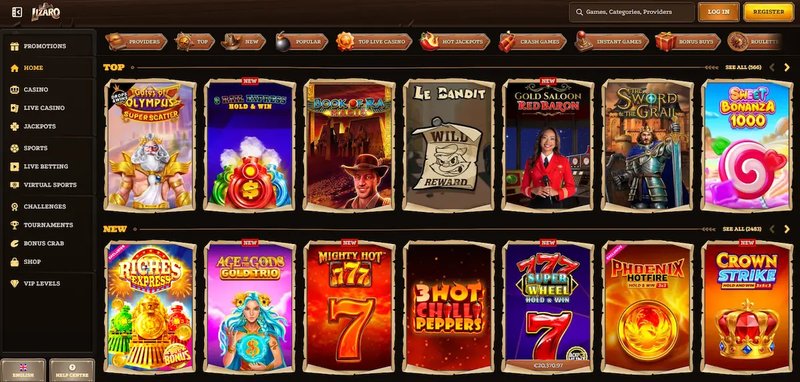
While cloud gaming is primarily about games, the same streaming technology is being applied to other forms of interactive entertainment. The rise of live‑streamed esports, virtual concerts, and even remote training simulations all rely on low‑latency, high‑bandwidth connections. If you’re looking for a way to experience these events without a big screen, you can check out Lizaro, a platform that brings a curated selection of live entertainment straight to your device.
Environmental Impact and Energy Efficiency
Centralizing rendering in data centers can reduce the overall energy consumption per user. A single server can run multiple game instances, sharing GPU resources more efficiently than dozens of individual PCs. Studies show that a well‑managed data center can cut power usage effectiveness (PUE) to around 1.3, compared to 2.0–2.5 for typical home setups. Still, the environmental benefit depends on the energy mix of the data center’s region; if the power comes from coal, the advantage diminishes.
Future Trends and What to Watch For
5G rollout will bring higher bandwidth and lower latency to mobile devices, making cloud gaming more viable on smartphones. Edge computing—placing servers even closer to users—could push latency below 30 ms, narrowing the gap with local play. Developers are also experimenting with adaptive streaming that adjusts resolution on the fly to match fluctuating network conditions, ensuring smoother gameplay during congestion.
Final Thoughts
Cloud gaming has moved from a niche experiment to a mainstream option for many players. Its promise of hardware independence, cost savings, and instant access to the latest titles is compelling. Yet, the trade‑offs—dependence on internet quality, server availability, and a sometimes limited game library—remain real concerns. For those willing to accept these constraints, cloud gaming offers a flexible, future‑proof way to enjoy interactive entertainment.
Frequently Asked Questions
What exactly is cloud gaming?
Cloud gaming streams game video and audio from remote servers to your device, so you play on a powerful server while only the rendered frames travel over the internet.
How does latency compare to a local PC?
Modern cloud services aim for sub‑70 ms round‑trip latency, which is often comparable or even lower than a high‑end local setup, especially on fast networks.
Do I need a powerful computer to play?
No, because all the heavy rendering is done on the cloud server; you only need a stable internet connection and a display or console.
What about offline play?
Most cloud platforms require an active internet connection, so games can’t be played offline unless the provider offers a local download option.



No comment yet, add your voice below!